
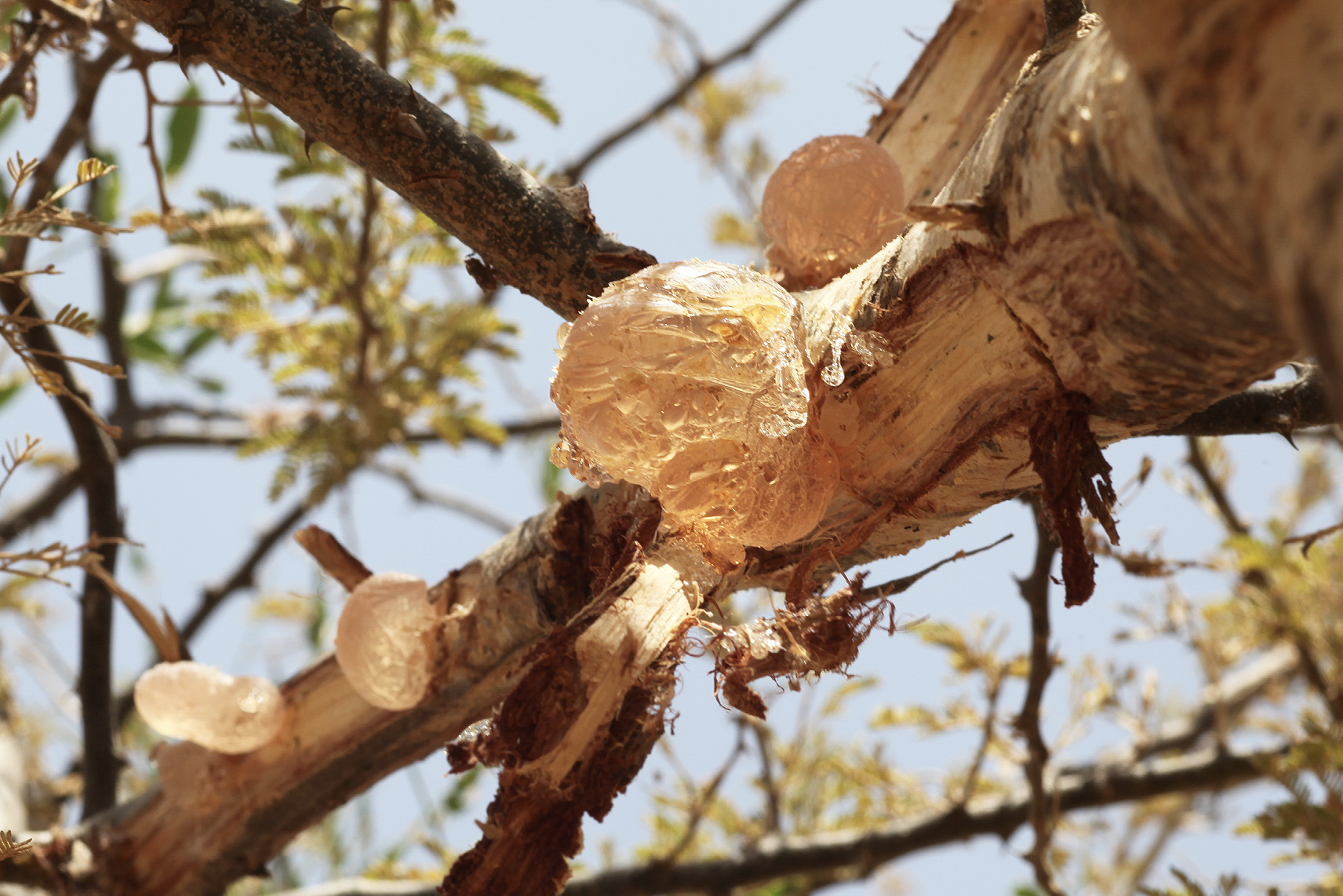
Naturally Low Carbon Footprint
Building a more sustainable food system starts with thoughtful ingredient choices. As manufacturers look to reduce environmental impact without sacrificing performance, acacia stands out as a naturally low-carbon solution. From how it’s grown to how it’s processed, acacia supports sustainability at every stage of its lifecycle.
The acacia tree thrives in dry regions and requires minimal water to grow, making it well suited for environments where resources are limited. It grows without the need for synthetic fertilizers or pesticides and regenerates easily, reducing strain on the land while supporting long-term agricultural viability. These natural growing conditions contribute to a lower overall carbon footprint compared to more resource-intensive crops.
As a plant-based, fully biodegradable ingredient, acacia remains gentle on the environment from harvest through finished product. Its versatility across food, beverage, pharmaceutical, and other applications means manufacturers can rely on a single, multifunctional ingredient, helping streamline formulations while supporting sustainability goals.
At ISC Gums, sustainability extends beyond the ingredient itself. Energy-efficient production practices and our solar-powered facilities help further reduce environmental impact, ensuring acacia is processed with care and responsibility.
By choosing acacia, manufacturers take a meaningful step toward cleaner labels, more responsible sourcing, and a lower carbon footprint. It’s a simple ingredient choice that supports a more sustainable future.
Explore the Power of Acacia Fiber
Learn how acacia fiber supports health, sustainability, and innovation across industries. Download our white paper for in-depth insights into its benefits, versatile uses, and environmental impact.